

Bureau of Ocean Energy Management
The Biden administration this week published the location of eight areas to be leased for offshore wind development in the Gulf of Maine, a body of water that runs from Cape Cod to Nova Scotia.

Esta Pratt-Kielley / Maine Public


Melissa Pastore
/
Courtesy

Robin Lubbock / WBUR
Homes and buildings produce the second highest global warming emissions in New England, after transportation. Efforts like greener building techiques, renewable energy systems and home weatherization could help.
-
With just a handful of days left in Connecticut’s short legislative session, a House bill that would create a roadmap for electric vehicle rollout is stalling.
-
 The $435 million deal is in jeopardy as Yale New Haven Health claims Prospect Medical is defaulting on rent and tax liabilities, and mismanaging assets.
 -
 Tag along as we retrace Justin Selkow’s steps, in an effort to find a solid-silver flute he borrowed from Dartmouth College — and promptly lost.
 -
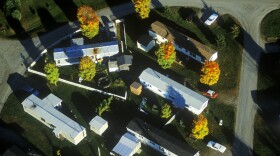 Mobile homeowners own the home, but rent the land on which it sits. The bill would provide more protections against rent increases for mobile home residents.
 -
 OSHA cites Elara Caring for failing to protect a murdered nurse, amid broader concerns about corporate-owned home health safety.
 -
 Roughly 100 people were arrested Wednesday evening at UNH and Dartmouth after forming encampments and calling for divestiture from businesses linked to the Israeli government.
 -
 Maine has become the second state, after Virginia, to adopt a Mass Violence Care Fund. It's a $5 million endowment designed to provide ongoing assistance to mass casualty victims, survivors and their families.
 -
 The AAPI caucus was formed to tackle unique community needs and combat stereotypes.


2024 Earth Day Series
How our New England homes can help us counter climate change.
- New FEMA flood maps are coming, but many homeowners say they've experienced the risks firsthand
- 5 maneras de reducir tus costos de energía y emisiones de carbono como inquilino
- The incentive problem keeping landlords from taking climate change action
- 'I'm not trying to stop the water': Some homeowners let floodwaters in, but most try to keep it out

Watch: Conexión
How spending time outdoors inspires deeper connections with others, heritage, and nature itself
Climate & Environment


